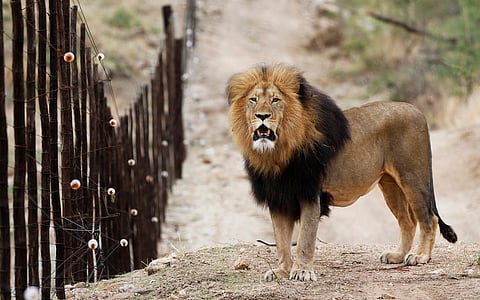


In southern Africa, fences are used to protect cattle from diseases spread by wildlife and other livestock. However, many of these fences are broken, block the natural movement of wild animals, and can increase conflict between people and elephants.
A new study from Cornell University has suggested that removing certain parts of these fences could help keep both livestock and wildlife safer.
The paper focused on three specific sections of fencing (Northern Buffalo fence, Zambezi Border fence and Western Border fence) in the Kavango Zambezi Transfrontier Conservation Area, known as KAZA. This area is the largest land conservation region in the world and stretches across Angola, Botswana, Namibia, Zambia, and Zimbabwe.
The Northern Buffalo fence is entirely internal to Botswana and separates livestock rearing areas as well as a wildlife management area (NG13) from other wildlife areas with buffalo. The Zambezi Border fence section separates Bwabwata National Park in Namibia from NG13 as well as livestock rearing areas in Botswana. The Western Border fence sections separate Khaudum National Park and Nyae Nyae Conservancy in Namibia from livestock rearing areas in Botswana.
The fences were mainly built to prevent the spread of diseases, especially foot-and-mouth disease, which can pass from wild buffalo or infected animals to cattle.
In the current study, besides foot-and-mouth disease, the researchers also focused on two other diseases- contagious bovine pleuropneumonia, which affects cattle, and peste des petits ruminants, a disease that affects goats and sheep.
The researchers found that most of the fences they studied protect only a small number of livestock. In many cases, cattle are located on just one side of the fence, so these fences may not be very important for preventing disease. The study also found evidence that foot-and-mouth disease may already be present in cattle in Botswana, even when the animals do not show clear signs of illness.
The results of the study suggest a new way of managing animal diseases in southern Africa. Right now, veterinary departments do not have enough money or staff to properly maintain fences, which are often damaged by elephants, floods, and general wear.
According to the study, removing parts of the Zambezi Border and Northern Buffalo fences could allow wildlife to move more freely between key areas. This could reduce pressure from large elephant populations and lower conflict with people, while also helping wildlife and the local economy. Restoring these wildlife movement paths is becoming even more important as climate change affects where animals can find water and grazing.
By working with local and national governments, the researchers hope these changes will improve animal health and farm productivity. They also aim to help poor farming communities earn extra income through growing wildlife tourism.
According to the researchers, this is the first study to use a risk assessment framework to support science-based decision-making on existing disease control fencing.
The study published in the journal Frontiers in Veterinary Science.
