
‘Rapid urbanisation has reduced Nairobi’s natural drainage capacity’

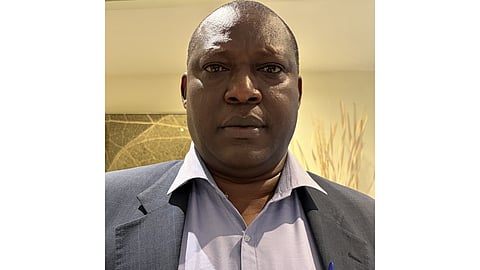
Flooding has become an increasingly frequent challenge in Kenya’s capital, Nairobi, as rapid urbanisation, ageing drainage systems and more intense rainfall strain the city’s infrastructure. In this interview, Eng. Martin Ngaa, director of water storage and flood control at Kenya’s Ministry of Water, Sanitation and Irrigation, talks to Vivek Kumar Sah why floods have become more common and what the government is doing to manage the growing risk.
Vivek Kumar Sah (VKS): Do you think that flooding has become a chronic feature in Nairobi?
Eng. Martin Ngaa (EMN): Flooding has become a recurring issue in Nairobi, mainly due to heavy rains that often cause flash floods. Increased surface runoff during intense rainfall overwhelms drainage systems and rivers, leading to widespread damage and disruption across the city. About 20 per cent of the city’s area, out of a total of 696 sq km, consists of low-lying land that is severely affected during floods.
VKS: What do you think are the main causes?
EMN: The main causes include rapid urbanisation, which has led to construction on wetlands and riparian reserves, reducing the natural drainage capacity of the area. The loss of green spaces has also played a role, as vegetation that once absorbed rainwater runoff has been replaced by concrete and other impermeable surfaces.
In addition, poor drainage systems that are often outdated and clogged are unable to handle heavy rainfall. Climate change has further increased the risk by bringing more intense rainfall events. Unregulated development, including encroachment on floodplains and waterways, has also made many areas more vulnerable to flooding.
VKS: In the last five years, how much green area has been lost to urbanisation?
EMN: There has been a steady decline, with nearly 10 per cent of total green spaces lost due to rapid urbanisation and increasing population growth in the city and surrounding metropolitan areas.
VKS: In the last week, have you analysed the economic losses and the number of lives lost?
EMN: The Ministry of Interior and National Administration has been coordinating rescue and recovery efforts. The assessment of economic losses and casualties is still ongoing as response operations continue.
VKS: What do you think could be the solutions in a climate-risked world?
EMN: Possible solutions include restoring wetlands and riparian buffers so they can absorb excess floodwater. Upgrading drainage infrastructure with modern stormwater management systems is also important to handle heavy rainfall. Stronger urban planning regulations can help prevent construction in flood-prone areas, while community-based disaster preparedness and early warning systems can improve response during extreme events.
In addition, integrating climate-resilient design into housing and transport infrastructure will help reduce future risks. Developing green infrastructure, such as parks, permeable pavements and rainwater harvesting systems, can further improve water absorption and reduce flooding.
VKS: Is your ministry planning rainfall monitoring systems? Are funds allocated for scientific research (projects and funding)?
EMN: The Ministry recognises the importance of strengthening rainfall monitoring systems. While detailed project allocations and funding information are limited in public records, efforts are underway to expand automated weather stations, improve hydrological modelling, and develop GIS-based flood forecasting systems. The Kenya Meteorological Department has been expanding its monitoring network, although funding constraints remain.
VKS: What other steps is the ministry taking for flood management?
EMN: The Ministry is coordinating emergency flood response efforts in collaboration with the Kenya Red Cross and the Kenya Defence Forces to support communities affected by flooding.
At the same time, it is engaging in policy discussions to promote sustainable urban development and stricter enforcement of building codes, particularly in flood-prone areas. The government is also updating Nairobi’s drainage master plan to modernise the city’s stormwater management systems and reduce urban flooding risks.
Public awareness campaigns are being conducted to improve flood preparedness, while partnerships with international donors are being strengthened to support climate adaptation initiatives. The Ministry is also developing a comprehensive Flood Management Framework and Policy to guide long-term flood risk management and resilience planning.
