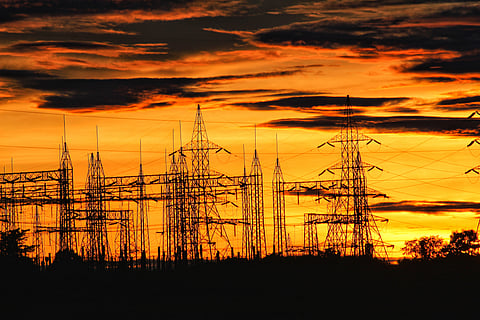


India’s electricity grid is facing a structural shift as intensifying heatwaves, rapid urbanisation and rising cooling demand push power consumption to unprecedented levels, as India touched a record peak power demand during the ongoing heatwave spell, with residential cooling demand now overtaking industrial demand growth in several regions.
According to the National Power Portal, India’s peak power demand shot up to 270.8 gigawatt (GW) on May 21, 2026, after daily new peaks of 265.4 GW on May 20, 260.4 on May 19, 257.3 on May 18 and 238.4 on May 17, 2026.
A report or briefing, From Heatwave to Grid Wave, prepared by Climate Trends—a New Delhi-based research, consulting, and strategic communications initiative, highlighted that non-industrial states such as Uttar Pradesh are now recording higher electricity demand than manufacturing heavy states, including Gujarat and Maharashtra, signalling a major transformation in the country’s demand profile.
According to the report, demand trends over the last week showed electricity consumption steadily climbing as India moved toward the 270 GW mark, driven largely by cooling demand that begins around noon and extends late into the night. Solar power emerged as the second largest contributor to the supply mix during daytime, generating nearly 80 GW or about 22 per cent of total electricity when demand peaked. However, the sharp fall in solar generation after sunset forced conventional power sources to ramp up rapidly to maintain grid stability.
The report warned that rising urban heat is fundamentally changing electricity consumption patterns. Rapid urbanisation and land use changes are intensifying the Urban Heat Island (UHI) effect, under which cities trap and retain heat more than surrounding regions. UHI intensity across Indian cities currently ranges between 2°C and 10°C.
The growing use of air conditioners is further aggravating the problem. The report projected that air conditioners could reach 40 per cent of Indian households by 2030, adding significantly to both electricity demand and waste heat emissions that worsen urban temperatures.
One of the most critical findings of the report is the role of rising nighttime temperatures in sustaining electricity demand well beyond evening hours.
India’s average nighttime temperature increased by around 0.21°C per decade between 2010 and 2024, with 35 out of 36 states and Union territories recording warming trends. Sikkim showed the strongest nighttime warming signal, while West Bengal, Andhra Pradesh, Karnataka, Goa, Uttarakhand and Bihar also recorded significant increases.
According to the report, warmer nights prevent buildings from cooling naturally, forcing cooling appliances to run longer and flattening the usual decline in evening electricity demand. This also means the next day cooling demand begins from a much warmer baseline.
Humidity is compounding the crisis, especially in coastal and monsoon influenced cities. Even when temperatures are not extreme, high humidity increases “feels like” conditions by reducing the body’s ability to cool through evaporation, driving higher dependence on mechanical cooling.
The analysis found that compound hot humid days increased sharply from 14,086 during 2015 to 2019 to 16,970 between 2020 and 2024, with 2024 recording the highest count in the decade. Uttar Pradesh, Tamil Nadu, Bihar, Gujarat and Odisha ranked among the states with the highest number of such days.
The document noted that the challenge is becoming more severe because many high demand states have weak power infrastructure and lower renewable energy absorption capacity.
While renewable energy generation, especially solar, is rising rapidly, grid operators face a major balancing challenge once solar generation drops after sunset. Conventional thermal sources continue to remain critical for evening and nighttime supply stability.
The report recommended a mix of urban planning, clean energy and efficiency measures to address the crisis. These include high albedo cool roofs that can reduce roof temperatures by up to 25°C, reflective pavements, green roofs and blue green infrastructure such as wetlands, parks and water bodies to lower urban temperatures.
The assessment also called for accelerating rooftop solar installations, particularly in low income housing, alongside decentralised energy storage systems powered by clean energy to improve grid balancing.
Other recommendations include industrial decarbonisation, wider adoption of energy-efficient appliances and deployment of smart grids and smart meters capable of managing peak cooling demand through real-time monitoring and dynamic pricing mechanisms.
With India’s urban population projected to rise from 31 per cent in 2011 to nearly 40 per cent by 2030, contributing around 75 per cent of GDP, the report underscored that the country’s climate, urbanisation and electricity challenges are now deeply interconnected.