

People usually worry about crude oil first when things get tense in the Strait of Hormuz. But the current crisis has shown that India’s energy system is more complicated and has more problems than just having to buy oil. It talks about how we use energy every day, like in kitchens and on farms, and how hard it is to find the right balance between access and price.
The Hormuz outages are a warning that progress in one area doesn’t always lead to more resilient systems. This is especially true for a country that has made a lot of progress in making energy more accessible and increasing its renewable capacity.
The Strait of Hormuz transports roughly 20 per cent of the world’s oil traffic and a considerable amount of liquefied petroleum gas. For India, this tiny waterway is a crucial artery, carrying more than 80 per cent of its crude oil and more than half of its LPG imports.
When geopolitical conflicts disrupt this channel, even without a complete blockade, the consequences are immediate. Freight and insurance prices rise, supply chains tighten, and global markets become increasingly unstable. These pressures quickly have effects at home, such as rising fuel and LPG costs and a higher fiscal burden on subsidies. The main point of this issue is that India’s energy security is limited to a small area. A single chokepoint thousands of kilometers away can throw off energy systems in the home in just a few days.
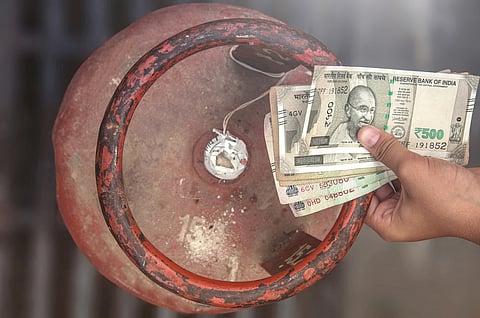
Oil often takes centre stage in policy talks, but LPG is a quieter but more immediate threat. India has made it much easier for people to get LPG over the past ten years through programs like the Pradhan Mantri Ujjwala Yojana (PMUY). This has brought millions of rural homes into the clean cooking energy network.
Access, on the other hand, does not guarantee continued use. India gets a lot of its LPG from other countries, mostly from West Asia. LPG cylinders cost more when prices go up around the world or when supply chains get tighter, like they have during the current crisis. Even small price increases can make low-income families use less or go back to using traditional biomass fuels like firewood and dung.
This is a paradox: while rules have made it easier for people to get access, shocks from outside the system make it harder for people to stick with it in the long run. Because of this, the shift to clean energy is fragile, and any progress can be undone quickly.
India’s use of renewable energy, especially solar and wind, has grown a lot. Installed capacity has grown a lot, and big goals show that the company is committed for the long term. But the situation in Hormuz shows a big problem: in important areas, renewable energy sources are not yet a good alternative to imported fossil fuels.
For instance, solar energy can only be used for cooking and getting around, and both of these things are greatly affected by LPG and oil outages. Also, decentralised renewable systems that could make things more resilient, like community solar projects, are not well developed or used evenly.
There is also a secret dependence in renewable energy. Solar supply chains depend on parts that are brought in from other countries, and the ecosystems for manufacturing are always changing. This means that renewable energy lowers the need for imports in day-to-day operations, but it doesn’t completely get rid of risks from outside sources.
India’s energy revolution has actually made more progress in creating capacity than in making the system more resilient.
India is in a tough spot because of energy shocks caused by problems in other countries. On the one hand, higher prices around the world make it more expensive to buy things from other countries. But political and social factors make it hard to pass these costs on to customers.
The end result is a balancing act with money. Subsidies, especially for LPG, have become an important way to help families save money. But giving out more money at times when world prices are high puts a lot of stress on public finances. This makes it harder for the government to pay for long-term energy infrastructure and plans to switch to cleaner energy.
Cutting subsidies, on the other hand, makes it more likely that vulnerable groups will lose access to clean energy. The Hormuz issue shows that there is not only an energy vulnerability but also a problem with governance: how to find a balance between energy security, affordability, and long-term economic growth.
The Strait of Hormuz may be far away, but its effects are very real in Indian homes. It’s not just about geopolitics; it’s also about how people use energy every day in a country where getting it and paying for it are two sides of the same coin.
People often talk about how India’s energy transformation is a success story, but the goals are too high, and the plans to make renewables more available are not working. On the other hand, the Hormuz crisis is a change that needs to happen. It shows that resilience hasn’t kept up with how things have changed. This situation should be seen as a chance to rethink how we use energy, not just oil, capacity numbers, and quick fixes.
Energy security is not just about how much energy a country can make or buy. The most important thing is how well it can deal with problems and keep its most at-risk residents safe when they do happen.
Anusreeta Dutta is a columnist and climate researcher with experience in political analysis, ESG research, and energy policy
Views expressed are the author’s own and don’t necessarily reflect those of Down To Earth