
Subscribe

Women and girls in the occupied West Bank face rising fear of violence, arrest and displacement, according to UN Women.
The agency estimates that one in eight households in the occupied West Bank is headed by a woman.
More than 20,000 women and girls have been displaced, based on UN Women’s analysis of humanitarian and population data.
UN Women says checkpoints, movement restrictions and home demolitions are deepening hardship for women-headed households.
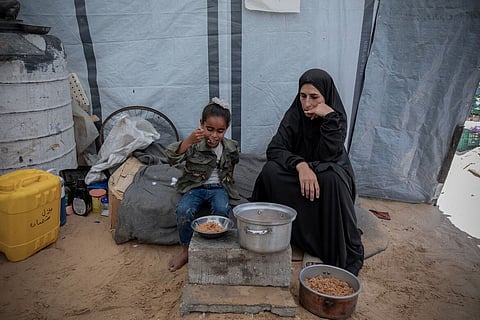
Women and girls in the occupied West Bank are facing rising fear of violence, arrest and displacement as settler attacks, military operations and movement restrictions reach a two-decade high, according to a new analysis by UN Women.
The agency said the impact was especially severe for women heading households, who face greater risks from violence, home demolitions and restrictions on movement.
UN Women estimates that about 83,200 households in the occupied West Bank are headed by women, representing one in eight households. It said the figure was likely to be an underestimate.
More than 41,500 people had been displaced by July 2026, according to UN humanitarian data cited by UN Women. The agency said this included more than 20,000 women and girls, based on population breakdowns by gender from the Palestinian Central Bureau of Statistics.
UN Women said women heading households were more likely to be displaced. Forty per cent of women-headed households were no longer living in their original home, compared with 30 per cent of households headed by men.
The analysis found that 82 per cent of formally recognised women household heads were responsible for managing household income, 77 per cent for childcare and 75 per cent for decisions about household members’ safety. Sixty-five per cent handled aid registration alone.
Movement restrictions are a major concern. UN Women said there were 925 movement obstacles across the occupied West Bank, including staffed checkpoints, road barriers and trenches — the highest number recorded in two decades. Forty per cent of all checkpoints are in the H2 area of Hebron city, the agency said.
Nearly nine in 10 women heading households interviewed said checkpoints made travel feel unsafe, while more than half said movement restrictions were blocking access to livelihoods. Every woman heading a household who was interviewed said she avoided checkpoints altogether.
UN Women said displaced women-headed households were struggling to meet basic needs, including cash, food, clothing, hygiene supplies and shelter.
One in five women household heads reported fear of gender-based violence, more than double the rate among women living in male-headed households. The agency said women moving through checkpoints, public spaces and aid systems were disproportionately exposed to harassment, intimidation and violence.
More than half of women-headed households with chronic illness reported unmet cash needs, two-thirds were taking out loans and half were skipping meals, UN Women said.
The agency called for an end to violence, movement restrictions and home demolitions in the occupied West Bank, including East Jerusalem, and urged dedicated support for women-headed households.
