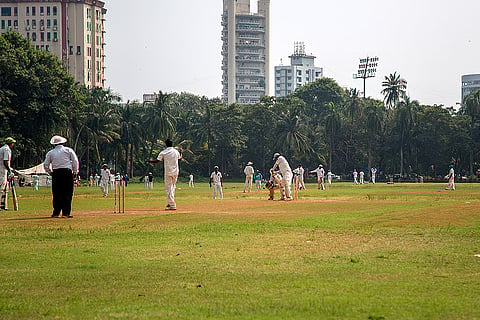


The National Green Tribunal has raised concerns over excessive groundwater extraction by major cricket stadiums across India
A Central Ground Water Authority report found that several stadiums continue to rely on groundwater despite nearby availability of treated wastewater
The tribunal has asked stadium authorities to explain their water-use practices and steps taken to shift to alternative sources
Twelve cricket associations have been fined for failing to submit required reports, with the next hearing scheduled for April 2026
The National Green Tribunal (NGT) has taken a tough stand on the continued and excessive use of groundwater by major cricket stadiums across India, expressing concern that many facilities are still relying on groundwater despite the availability of treated wastewater.
A bench headed by NGT chairperson Justice Prakash Shrivastava and expert member Dr A Senthil Vel is hearing the matter. The tribunal has directed stadiums found using groundwater for pitch and green area maintenance to file detailed replies explaining their water use practices.
The order follows a report submitted by the Central Ground Water Authority (CGWA), which found that several major cricket stadiums continue to use groundwater for irrigation even where sewage treatment plant (STP) treated water is available nearby.
The CGWA’s compilation revealed that stadiums in multiple cities were drawing large quantities of groundwater for maintaining pitches and green belts. In some cases, no treated wastewater was being used at all, despite existing or nearby STP infrastructure.
The tribunal was particularly critical of the IS Bindra Stadium in Mohali, which, according to the CGWA report, uses around 6,000 kilolitres of groundwater every month for irrigation and has not installed an STP.
The bench rejected the stadium authority’s claim that treated water was unavailable, noting that both secondary and tertiary treated water could be sourced from nearby treatment plants at the stadium’s cost. It said the continued use of groundwater in such circumstances amounted to non-compliance with tribunal orders and posed a serious adverse impact on the environment.
The tribunal observed that similar patterns of groundwater use were visible at several other stadiums.
The NGT has directed cricket associations managing stadiums in Nagpur, Eden Gardens in Kolkata, Lahli, Thiruvananthapuram and Guwahati to submit explanations within six weeks. These stadiums have been asked to disclose the steps taken so far to reduce or eliminate the use of groundwater and to adopt alternative water sources.
The CGWA report shows varying levels of progress at these venues, including partial use of treated water, installation of rainwater harvesting systems and proposals to set up new treatment plants, though groundwater continues to be used in many cases.
The tribunal has also imposed a fine of Rs 5,000 each on 12 stadiums and cricket associations for failing to submit reports despite repeated directions. These include stadiums in Delhi, Pune, Jaipur, Hyderabad, Kanpur, Lucknow, Indore, Dharamsala, Rajkot, Raipur, Cuttack and Mumbai.
The fine is to be deposited with the secretary of the NGT Bar Association within two weeks. Subject to payment, the defaulting associations have been granted six weeks to submit their replies to the CGWA.
The tribunal noted that the failure to respond had delayed decision-making in the case. The next hearing has been scheduled for April 16, 2026.
