

Forty new species of migratory birds, aquatic and terrestrial animals were added to the protected list category at 15th Conference of Parties (COP15) to the Convention on the Conservation of Migratory Species of Wild Animals (CMS) that ended on March 29 in Campo Grande, Brazil.
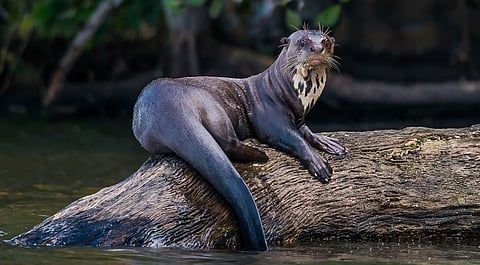
The list includes “cheetah, striped hyena, snowy owl, giant otter, great hammerhead shark, and several shorebird species”, which are facing steep population decline.
The protection category accorded to the 40 species comes in the backdrop of new evidences “that many migratory species are moving closer to extinction”.
CMS COP15 also approved multi-species conservation plans specifically for the Amazon region while also highlighting “a growing need to address threats such as deep-sea mining, climate change, plastic pollution, underwater noise, illegal wildlife killing, fisheries bycatch, and marine pollution”.
According to Amy Fraenkel, secretary of CMS, implementation of the new conservation rules that were expanded should begin immediately.
“We leave with stronger protections and more ambitious plans, but the species themselves are not waiting for our next meeting,” she said.
The evidence, which was part of the State of the World’s Migratory Species: Interim Report (2026), highlighted 49 per cent of migratory population species — protected under the global UN treaty — were facing a decline while another 24 per cent face extinction.
According to Fraenkel, this decline can be attributed to overexploitation like fishing and hunting, habitat loss and fragmentation of migratory corridors of the species affected.
“Some species are responding to concerted conservation action, but too many continue to face mounting pressures across their migratory routes,” Fraenkel said.
According to the report, a total of 188 migratory species is currently facing extinction possibilities and these include 28 terrestrial mammals, 23 aquatic mammals, 103 species of birds, 8 reptilian species and 26 types of fishes.
The report also found that 26 CMS-listed species, which includes 18 migratory shorebirds, have moved to higher extinction risk category.
The analysis also mapped over 9,000 key biodiversity areas (KBA) or places that are irreplaceable for sustaining species and ecosystems but 47 per cent of the total area covered by these KBAs fall outside any kind of protection or conservation.
“If we intervene only at the point of crisis, we risk acting too late,” Fraenkel warned.
