
Subscribe

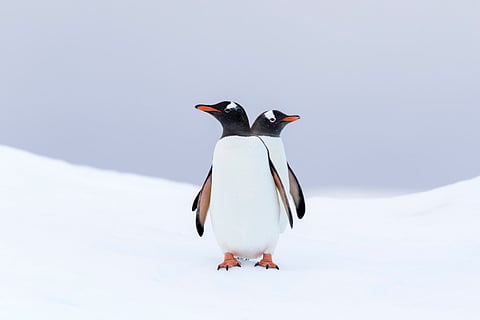
Gentoo penguins confirmed infected with H5N1 on Heard Island
First recorded bird infections in an Australian territory
Virus also detected in southern elephant seals and Antarctic fur seals
No signs of mass wildlife deaths in surveyed areas
Government says national bird flu status remains unchanged
Gentoo penguins have become the first bird species confirmed to be infected with H5 avian influenza on an Australian territory, after testing positive on the sub-Antarctic Heard Island, the Australian government has confirmed.
The virus has also been detected in southern elephant seals and Antarctic fur seals on the remote island. The update follows confirmation in November 2025 that southern elephant seals had contracted the disease, but the detection in gentoo penguins marks the first known infection of birds in Australia’s external territories.
The deadly and highly contagious strain of bird flu H5N1 (clade 2.3.4.4b) has infected and killed millions of seabirds, wild birds and poultry across the world.
Preliminary test results were conducted at the Commonwealth Scientific and Industrial Research Organisation’s (CSIRO) Australian Centre for Disease Preparedness. The samples were collected during a voyage to the island on February 3, 2026.
In a statement, the Minister for Agriculture, Fisheries and Forestry said Heard Island is extremely remote, located more than 4,000km south-west of Perth and about 1,700km north of Antarctica in the Southern Ocean.
“These further detections do not substantially increase the risk to Australia from current elevated levels,” the statement said.
Australian Chief Veterinary Officer Beth Cookson said preliminary laboratory results indicated that species beyond southern elephant seals had been impacted by H5 bird flu.
“Preliminary laboratory results indicate that species beyond southern elephant seals have been impacted by H5 bird flu, with a small number of confirmed additional detections in species including the southern elephant seal, Antarctic fur seal and gentoo penguin from the second voyage,” she said.
However, on-ground observations by scientists aboard the RSV Nuyina suggested there were no signs of ongoing mass mortality events in the areas visited.
The government said the findings were not unexpected and were consistent with current understanding of how H5 bird flu spreads.
“While Australia’s H5 bird flu freedom status remains unchanged, the Heard Island detections serve as a reminder of the importance of ongoing vigilance, coordinated biosecurity measures, and preparedness across governments, industry, and conservation partners,” the statement said.
The government added that it is investing more than A$100m to strengthen bird flu preparedness and enhance national response capability, including rapid response equipment in every state and territory and measures to build resilience among Australia’s most at-risk native species.
Environment and Water Minister Murray Watt said Australian experts had been closely monitoring the global spread of bird flu, including researchers working in Antarctica, the Southern Ocean and the sub-Antarctic.
“This includes our researchers working in Antarctica, the Southern Ocean and the sub-Antarctic, at times spending weeks and months away from their families and friends, working in trying conditions,” he said.
Agriculture Minister Julie Collins said the government takes the threat of H5 bird flu seriously and that the additional funding reflects efforts to strengthen preparedness and response capability.
Authorities said monitoring would continue as part of ongoing efforts to protect wildlife and biodiversity in the region.
