
Subscribe

UN Women says no country has achieved full legal equality for women and girls
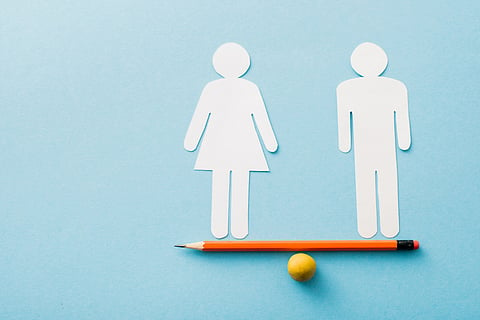
Women globally hold just 64% of the legal rights of men, UN report finds
In 54% of countries, rape is not legally defined on the basis of consent
Agency calls for urgent action ahead of International Women’s Day and CSW70
No country in the world has reached full legal equality for women and girls, UN Women has said in a statement ahead of International Women’s Day on March 8, 2026.
Justice systems meant to uphold rights and the rule of law are failing women and girls everywhere, the United Nations agency said in an alert. Globally, women hold just 64 per cent of the legal rights afforded to men, leaving them exposed to discrimination, violence and exclusion throughout their lives. The warning accompanies the United Nations Secretary-General’s new report, Ensuring and Strengthening Access to Justice for All Women and Girls.
The report highlights significant legal shortcomings across countries. In 54 per cent of nations, rape is still not defined on the basis of consent, meaning the law may not recognise certain acts as crimes. In nearly three out of four countries, girls can still be legally forced into marriage. In 44 per cent of countries, there is no legal requirement for equal remuneration for work of equal value.
“When women and girls are denied justice, the damage goes far beyond any single case,” said UN Women Executive Director Sima Bahous. “Public trust erodes, institutions lose legitimacy, and the rule of law itself is weakened. A justice system that fails half the population cannot claim to uphold justice at all.”
UN Women said that violations of the rights of women and girls are accelerating amid what it described as a global culture of impunity. The agency warned of a backlash against longstanding commitments to gender equality, with laws in some places being rewritten to restrict women’s freedoms and silence their voices.
It also highlighted the growth of digital violence, as technology advances faster than regulation. In conflict settings, rape continues to be used as a weapon of war. Reported cases of sexual violence have risen by 87 per cent in the past two years, according to the report.
The Secretary-General’s report also notes areas of progress. Around 87 per cent of countries have enacted domestic violence legislation, and more than 40 countries have strengthened constitutional protections for women and girls over the past decade.
However, UN Women stressed that legislation alone is insufficient. Discriminatory social norms — including stigma, victim-blaming and community pressure — continue to silence survivors and obstruct justice. Practical barriers such as cost, time, language and a lack of trust in institutions further restrict women’s access to justice.
Marking International Women’s Day 2026 under the theme “Rights. Justice. Action. For ALL Women and Girls,” UN Women called for urgent action to end impunity, defend the rule of law and deliver equality in law and practice.
The 70th Session of the Commission on the Status of Women, the UN’s highest-level intergovernmental body on women’s rights and gender equality, will convene this year with what UN Women described as a critical opportunity to reverse setbacks in women’s rights.
“Now is the moment to stand up, show up, and speak up for rights, for justice, and for action – so that every woman and girl can live safely, speak freely, and live equally,” Bahous said.
