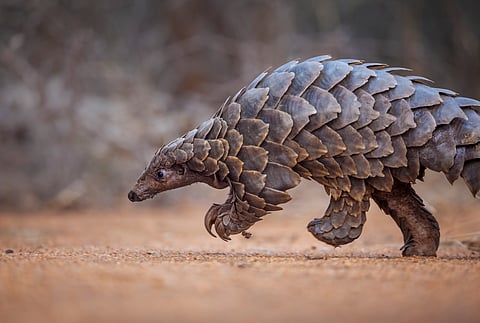


Wildlife trade increases the risk of animal-to-human pathogen transmission by 50%, new study finds
Around 41% of traded mammal species share at least one pathogen with humans, compared with 6.4% of non-traded species
Risk is higher in illegal trade and live-animal markets, where cross-species contact is more frequent
Longer time in trade increases zoonotic risk, with species sharing more pathogens over decades
Scientists warn expanding wildlife trade could raise the risk of future epidemics and pandemics
Global wildlife trade — both legal and illegal — is a major driver of pathogens passing from animals to humans, increasing the risk by around 1.5 times compared with species that are not traded, according to a study published in the journal Science.
This means traded species have around a 50 per cent higher likelihood of sharing at least one virus, bacterium, fungus or parasite with humans, underlining the growing risk of future pandemics.
The risk is further heightened when species are traded illegally or kept alive, such as in the exotic pet trade.
Unlike domesticated animals such as cats, dogs, cattle or camels, exotic pets often involve wild species sourced from the wild or bred in captivity.
These include animals such as fennec foxes, otters, African pygmy hedgehogs, leopard cats and sugar gliders, to name a few. Their growing demand is partly driven by popularity on social media, the researchers said in a statement.
The study assessed 2,079 traded mammal species and found that 41 per cent shared at least one pathogen with humans, compared with just 6.4 per cent of non-traded mammals.
Previous disease outbreaks — including the emergence of Human immunodeficiency viruses or HIV, the 2014 West African Ebola epidemic, the 2003 mpox outbreak in North America and the Covid-19 pandemic — have all been linked to wildlife trade.
The authors noted that while such events highlight the risks, the long-term impact of wildlife trade on pathogen transmission due to increased interactions remains insufficiently understood.
The study found that the length of time a species spends in trade is a key predictor of zoonotic risk. “A temporal analysis of 583 mammal species listed by the Convention on International Trade in Endangered Species of Wild Fauna and Flora (CITES) over 40 years (1980- 2019) shows that time in trade is a key predictor of zoonotic pathogen richness,” it noted.
On average, a wild mammal species shares one additional pathogen with humans for every 10 years it is present in global trade, the paper said.
Species sold in live-animal markets were found to be 1.34 times more likely to exchange pathogens with humans than those traded only as products, the paper said.
Similarly, species involved in illegal trade shared 1.4 times more pathogens (virus, bacterium, fungus, or parasite) with humans compared with those traded exclusively through legal channels.
The wildlife trade in species such as hedgehogs, elephants, pangolins, bears and fennec foxes spans a wide range of uses—from the pet trade and hunting trophies to traditional medicine, biomedical research, and products like meat and fur.
The researchers estimate that these interactions affect around a quarter of all mammal species. Activities across the trade chain, from harvesting and breeding to transport, storage, market sale and end use, create multiple opportunities for cross-species transmission.
Other factors, such as synanthropy, where species adapt to living near humans, and the consumption of wild meat also increase the risk of pathogen sharing. However, the study found these effects to be weaker and often mediated by trade and research intensity.
“Overall, mammals present in the wildlife trade are substantially more likely to share at least one pathogen with humans,” it said.
As new species enter the global wildlife trade, more pathogens will gain opportunities to infect humans, increasing the risk of future zoonotic outbreaks, including epidemics and pandemics, the study warns.
“These results exemplify the dynamic nature of human- wildlife pathogen interaction networks and parallel the positive correlation observed between time since domestication and the number of pathogens shared with humans in domesticated mammals,” it added.
The authors conclude that wildlife trade is an inherent driver of animal-to-human pathogen transmission. “Cross- species pathogen transmission is an inherent consequence of diverse uses of wildlife by humans and underscore the need to strengthen biosurveillance and integrate zoonotic risk considerations into wildlife trade regulations to help prevent future pandemics,” they noted.
