
Subscribe

Amit Bhatnagar, a leader of people affected by the Ken-Betwa Link Project, is expected to end his 18-day fast after officials ordered fresh verification in affected villages.
The Jai Kisan Organisation says the verification will cover families whose names were left out of the eligible list for project-related relief or recognition.
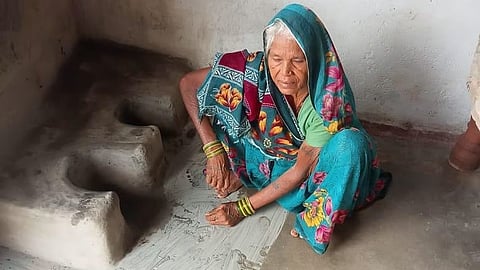
Villagers in parts of Panna and Chhatarpur have launched a ‘chulha bandh’ protest, stopping cooking at home as a mark of solidarity.
Environmentalists, farmer leaders, social activists and nearly 500 representatives from national organisations have appealed to Bhatnagar to end his fast because of his deteriorating health.
This story has been updated following fresh developments.
Amit Bhatnagar, a leader of people affected by the Ken-Betwa Link Project, ended his fast unto death on July 23, 2026 after the administration ordered fresh verification in project-affected villages, the Jai Kisan Organisation said.
A group of people affected by the Ken-Betwa Link Project and other irrigation projects reached Bijawar in Madhya Pradesh’s Chhatarpur district on July 23, 2026 to meet Bhatnagar and persuade him to end his fast. The day marked the 18th day of his protest.
Bhatnagar is currently in the intensive care unit (ICU) after being forcibly removed from a protest site on July 19, according to the organisation. He had continued his fast while in hospital.
In support of Bhatnagar, villagers in parts of Panna and Chhatarpur districts have launched a ‘chulha bandh’ protest, under which families stop cooking at home as a mark of solidarity.
In Palkoha village, about 50 to 60 households have stopped using their traditional mud stoves. Roshni Ahirwar, a resident of the village, told Down To Earth that the protest had been continuing gradually for the past three days.
The Jai Kisan Organisation said Bhatnagar’s health had become serious, but he had insisted that the protest would continue until affected families received justice and alleged irregularities in the projects were addressed.

According to the organisation, in-charge Collector and Additional District Magistrate Vinay Dwivedi held detailed discussions with Bhatnagar in the ICU over the protesters’ demands.
Following the talks, the administration issued an order for fresh verification of families affected by the projects whose names have not yet been included in the eligible list.
The order, issued by the Sub-Divisional Officer (Revenue) and Land Acquisition Officer, Bijawar, said administrative teams would visit the affected villages and conduct verification.
The villages listed include Sukawaha, Bhaurkhuwa, Ghughri, Naiguwan, Kakra, Kadwara, Palkoha, Kharyani, Dhodhan, Mainari, Kupi, Shahpura, Basudha and Dugaria.
The teams will include the tehsildar, naib tehsildar, revenue inspector, halka patwari, a sub-engineer from the Water Resources Department and officials from other departments.
According to the Jai Kisan Organisation, it was also agreed during the discussion that an authorised representative of the organisation would be present in each village during the verification process.
The organisation said this was intended to ensure that the survey was conducted transparently and fairly, and that genuinely affected families were not denied their rights.
Bhatnagar welcomed the decision and said the administration’s village-level verification could be an important step towards justice if carried out honestly and transparently.
Several environmentalists, farmer leaders, social activists, public movements, intellectuals and political leaders have appealed to Bhatnagar to end his fast because of his deteriorating health.
Those who made the appeal include Medha Patkar, founder of the Narmada Bachao Andolan and co-founder of the National Alliance for People’s Movements; Kailash Meena, co-founder of the Aravalli Virasat Jan Abhiyan; Indrajit Singh, national vice-president of the All India Kisan Sabha; Prafulla Samantara, an environmental and tribal rights activist from Odisha; and Soumya Dutta, co-convenor of SAPACC.
The appeal was also supported by Kusum Rawat, Roshan Valvi, Ashok Chaudhary, Sadhna Uikey and Vishwanath Tirkey of the Adivasi Coordination Forum India; Neelam Ahluwalia, founder of People for Aravalli; Prashant Patni, coordinator of the Shahabad Valley Conservation Struggle Committee; and Haryana environmentalist Lokesh Bhiwani.
According to the organisers, nearly 500 representatives from national organisations and social movements across the country supported the appeal.
People in villages affected by the Ken-Betwa Link Project said they were angered by police action at the protest site and by restrictions on access to Bhatnagar in hospital.
Villagers alleged that protesting tribal women, farmers and local residents had been repeatedly removed from the site. They also said family members, media representatives, social workers and protesters were not being allowed to meet Bhatnagar in the ICU.
In response, several villages, particularly women-led groups, launched the ‘chulha bandi andolan’.
Families taking part in the protest have stopped lighting their stoves at home, describing it as a symbol of their struggle and solidarity.
Bhatnagar has said the movement is not directed against any individual, party or government, but is a struggle to protect the Constitution, democracy, the environment, tribal communities and the rights of displaced families.
He said the administration’s decision to conduct a fresh survey and form a joint investigation team were positive steps.
If the process is carried out fairly and transparently, and all genuinely affected families who were left out receive justice, he said, it would be a significant achievement for the movement.