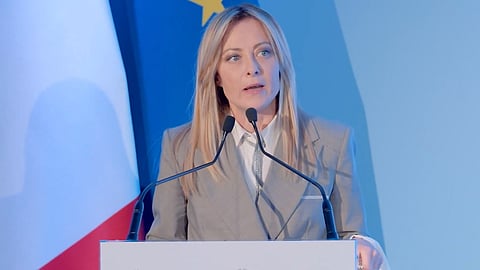


Only 28 countries are currently led by a woman, while 101 have never had a female head of state or government
New UN Women and IPU data shows women hold just 22.4% of cabinet posts and 27.5% of parliamentary seats worldwide
The figures point to stalled progress — and in some areas regression — in women’s political leadership
Women remain far from equal political power across the world, with only 28 countries currently led by a woman and 101 countries having never had a female head of state or government, according to new data released by the Inter-Parliamentary Union (IPU) and UN Women.
The figures, published on March 11, 2026 during the 70th session of the Commission on the Status of Women in New York, underline what the two organisations describe as stagnation — and in some areas regression — in women’s political leadership. CSW70, the UN’s annual gathering on gender equality and women’s rights, is running from March 9-19, 2026 at the UN headquarters.
Globally, women now hold 22.4 per cent of cabinet posts and 27.5 per cent of parliamentary seats, the data shows. While the share of women in parliaments edged up from 27.2 per cent in 2025, the proportion of women in cabinet has fallen from 23.3 per cent in 2024, reversing years of gradual progress.
The report also points to a decline in women’s parliamentary leadership. As of January 2026, 54 women were serving as speakers of parliament worldwide, accounting for 19.9 per cent of all speakers — a drop of nearly four percentage points from the previous year and the first fall in women speakers in 21 years.
Even where women do reach high office, they are often concentrated in portfolios long associated with social policy rather than core centres of state power. Women lead 90 per cent of gender-equality ministries and 73 per cent of ministries responsible for family and children’s affairs, while men continue to dominate ministries such as defence, home affairs, justice and economic affairs.
The data also highlights the hostility women in politics face. About 76 per cent of women parliamentarians surveyed reported intimidation by the public, compared with 68 per cent of men, said the IPU and UN Women — a pattern the organisations say can deter women from seeking office and slow progress towards equal representation.
Sima Bahous, the executive director of UN Women, in a statement said that excluding women from political leadership came at a cost at a time of “growing global instability, escalating conflicts and a visible backlash against women’s rights”.
IPU President Tulia Ackson stated that parity was both “a moral imperative” and “the smart thing to do”, arguing that institutions make better decisions when they reflect the societies they serve. IPU Secretary General Martin Chungong added that well-designed quotas and political will remain essential to speeding up change and ensuring women’s voices were heard in democratic decision-making.
The findings come as governments and campaigners gather at CSW70 amid broader concern about a rollback in women’s rights globally.
On March 9, governments at the CSW70 agreed to a new framework intended to make justice more accessible to women and girls worldwide. The agreement came against the sobering backdrop of a recent report by the UN secretary-general, which found that no country in the world has yet achieved full legal equality between women and men.